
David Byrne, the charismatic frontman of Talking Heads, is as well-known for his innovative music as he is for his bold fashion choices. One of the most iconic and memorable aspects of his public persona is the infamous “Big Suit” — a larger-than-life outfit that has sparked curiosity, admiration, and plenty of discussion since its debut in the 1980s. But what makes this garment so special? Why does it continue to be a symbol of Byrne’s avant-garde artistic vision? In this article, we’ll take an in-depth look at the history and impact of David Byrne’s big suit, exploring its cultural significance and the stories behind its creation.
The Origins of the David Byrne Big Suit
The Big Suit made its first appearance in 1984, during the Stop Making Sense tour, which was a groundbreaking concert experience by Talking Heads. This performance, directed by Jonathan Demme, was later turned into a film that showcased not just the band’s innovative music but also their unique visual aesthetic. For the audience, the sight of David Byrne emerging on stage in a suit that was comically oversized was a striking and unforgettable moment. But how did the suit come about?
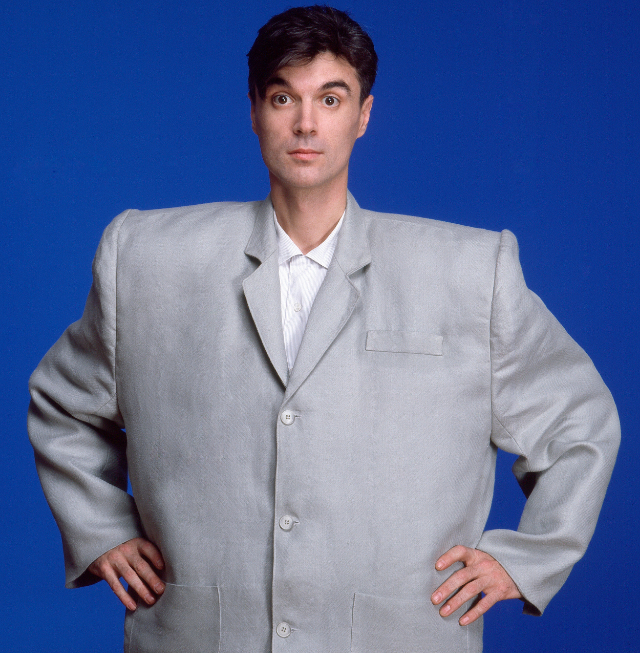
The man behind the Big Suit is none other than the iconic designer, Adrienne Truscott. Byrne had a clear vision for the suit: it was to embody the themes of alienation, excess, and the absurdity of modern life. The exaggerated proportions of the suit – large shoulders, a boxy frame, and sleeves that swallowed his arms – created a jarring visual contrast to his small frame. The suit was not just a piece of clothing; it was a commentary on power dynamics and the dehumanization inherent in corporate culture.
In fact, Byrne once described the suit as a metaphor for the feeling of being “swallowed up” by the machine of society, particularly in corporate or governmental environments. The Big Suit visually communicated the discomfort and exaggeration of these systems, and in doing so, it became a powerful symbol of critique.
David Byrne Big Suit: Fashion and Function
While the Big Suit was undoubtedly a bold fashion statement, it also had a functional role in Byrne’s performances. The oversized suit was not only visually striking but also allowed Byrne to move in unexpected ways. The exaggerated proportions gave him a sense of freedom on stage, as he could use the suit’s bulk to create unique gestures and movements. His frenzied dance style was magnified by the suit, giving a sense of both chaos and control, as if he was navigating through a larger-than-life world.
Moreover, the suit’s design contributed to a surreal, almost dreamlike atmosphere in the Stop Making Sense performances. It blurred the line between fashion and art, becoming an extension of Byrne’s eccentric persona and the band’s overall artistic identity. The suit became inseparable from the performance itself, amplifying the experience for the audience.
The Cultural Impact of the David Byrne Big Suit
Over the years, David Byrne’s Big Suit has grown beyond its origins as a stage costume. It has become a part of popular culture, symbolizing an era of bold experimentation and artistic expression. The suit is a defining image of the 1980s, and it continues to be referenced in fashion, art, and music. Many artists, designers, and performers have drawn inspiration from Byrne’s Big Suit, using it as a reference point for their own work.
The Big Suit also transcended its original context, becoming an emblem of postmodernism. It challenged traditional ideas about body image, fashion, and the role of the performer. In a time when musicians were expected to maintain certain norms of appearance, Byrne’s deliberate subversion of these expectations was revolutionary. The suit spoke to a broader cultural movement that rejected conformity and embraced individuality and absurdity.
Behind the Scenes: Designing the David Byrne Big Suit
The story of the Big Suit isn’t just about the vision of David Byrne but also about the collaboration between him and designer Adrienne Truscott. Truscott was tasked with bringing Byrne’s concept to life, and the result was a suit that was as impractical as it was ingenious. The suit was made from lightweight materials to allow for movement, but the sheer size of the garment made it challenging for Byrne to perform in it without assistance. The process of designing and constructing the Big Suit was, in many ways, a reflection of the avant-garde approach Byrne and Talking Heads took to music and performance.
According to Truscott, the design process was a unique and iterative one. The oversized suit had to strike a delicate balance: it needed to be large enough to convey the feeling of oppression and absurdity but also light enough to allow for performance flexibility. The final product was a surreal, exaggerated version of the typical power suit, creating an unsettling contrast with Byrne’s slender, angular frame.
The Legacy of the David Byrne Big Suit
Even today, the Big Suit continues to hold a significant place in popular culture. It remains one of the most iconic fashion statements in rock history and is a visual representation of Byrne’s larger artistic philosophy. The Big Suit has influenced countless designers, artists, and musicians, and it continues to be celebrated in art exhibitions, fashion retrospectives, and even as part of Byrne’s ongoing work in theater and music.
Beyond the realm of fashion, the Big Suit has become a symbol of creative freedom. It represents the willingness to push boundaries, challenge societal norms, and embrace the unconventional. In a world that often prioritizes conformity, the Big Suit remains a bold reminder that there is power in being different.
Conclusion: The Enduring Appeal of the David Byrne Big Suit
David Byrne’s Big Suit is more than just a piece of clothing; it is an artistic statement that continues to resonate with audiences around the world. The oversized suit is a symbol of individualism, creative freedom, and the rejection of societal norms. It encapsulates the spirit of an era defined by artistic exploration and experimentation. The Big Suit remains as relevant today as it was in the 1980s, proving that true art transcends time, and that fashion, like music, can be a powerful tool for expression and cultural critique.
Byrne’s Big Suit is a testament to the power of combining art with fashion, and it remains a defining image of his career. Whether it’s on stage or in popular culture, the Big Suit will always be remembered as a powerful statement of individuality and the freedom to be unapologetically yourself.
FAQs about David Byrne’s Big Suit
1. What is the meaning behind David Byrne’s Big Suit?
The Big Suit represents the feeling of being swallowed by society and its systems. It critiques corporate and governmental structures by exaggerating the power suit, symbolizing dehumanization and excess.
2. Who designed the Big Suit for David Byrne?
The Big Suit was designed by Adrienne Truscott, who collaborated closely with Byrne to create an outfit that was both visually striking and functional for his performances.
3. What impact did the Big Suit have on fashion?
The Big Suit became an iconic fashion statement, influencing artists, designers, and musicians. It was a symbol of postmodernism and individuality in an era of conformity.
4. How did the Big Suit contribute to David Byrne’s performances?
The oversized suit allowed Byrne to move in unique and exaggerated ways, enhancing his frenetic dance style and adding a surreal, dreamlike quality to the performances.
5. Is the Big Suit still relevant today?
Yes, the Big Suit remains an influential symbol in popular culture, representing artistic freedom, individuality, and the rejection of societal norms. It continues to inspire fashion, art, and music.